
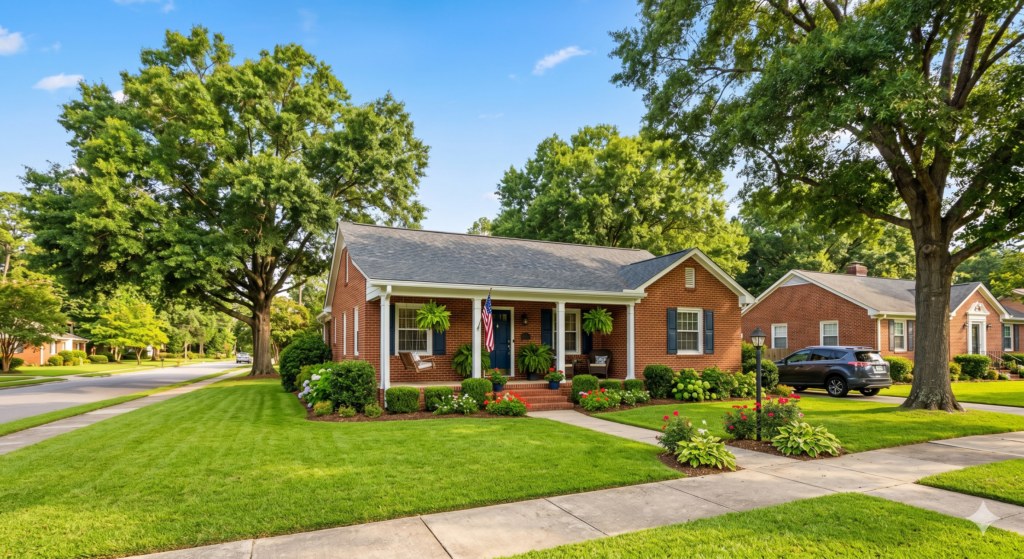
Hey there, neighbor! As we look down the calendar at the beautiful summer months ahead here in North Carolina, it is hard not to feel lucky. The days are getting longer, the sweet tea is flowing, and our yards are looking lush. But if you have lived around Fayetteville, Hope Mills, or Spring Lake for any length of time, you know that the return of warm weather also brings another familiar guest: hurricane season.
Living around here—whether you are stationed right up the road at Fort Bragg, running a business downtown, or raising a family in Haymount—means knowing just how fast our blue skies can turn into a serious summer storm. The Atlantic hurricane season kicks off every year on June 1, and the forecasts heading into 2026 suggest we need to be as sharp as ever.
It is easy to fall into the “set it and forget it” trap with home preparation and insurance, thinking what worked during last year’s storm season will hold up fine this year. But just like our neighborhood roads and local home values change over time, so do your home’s vulnerabilities and your insurance policy’s fine print.
Taking a little time right now to execute a comprehensive home checkup isn’t about panicking—it’s about control. Let’s walk through a friendly, neighborly review of exactly what you need to check around your property and inside your policy documents before the first dark clouds roll in across the Sandhills.
1. Structuring Your Property’s First Line of Defense
When a major storm or a hurricane makes landfall and crawls inland toward Cumberland County, your house takes the brunt of the heavy lifting. Preparing the physical structure of your property ahead of time is the most effective way to prevent minor issues from turning into catastrophic losses.
The Roof and Gutter System
Your roof is your home’s shield against torrential rains and high winds. Now is the perfect time to grab a ladder—or call a local pro—and look for loose, cracked, or missing shingles. Pay special attention to the seals around chimneys and vents.
Equally important are your gutters and downspouts. When a hurricane drops several inches of rain in a matter of hours, clogged gutters will overflow, sending water directly under your shingles or straight down into your home’s foundation. Ensure they are clear of pine needles and leaves, and verify that downspouts direct water at least three to five feet away from your home’s walls.
Trees, Limbs, and Yard Logistics
We love Fayetteville for its mature trees and beautiful, established lots, but those same trees can become major liabilities in 60-mile-per-hour winds. Walk your property and identify any dead branches or limbs hanging over your roof, driveway, or power lines. Trimming these back now prevents them from becoming destructive projectiles later.
Neighborly Tip: Don’t forget about your everyday yard items. If a storm warning is issued, patio furniture, trampolines, potted plants, and trash cans need to be secured inside a garage or shed. If it isn’t nailed down, high winds can turn it into a missile aimed straight at your—or your neighbor’s—windows.
2. Navigating the Fine Print of Your Home Insurance Policy
The biggest mistake any homeowner can make is waiting until a storm is named in the Atlantic to look at their insurance paperwork. By then, insurance carriers place binding restrictions on policies, meaning you cannot add or adjust coverage until the threat passes. Let’s look at what your policy actually says.
The Truth About Wind, Hail, and Named Storm Deductibles
A common surprise for homeowners during a claim involves their deductible structure. You might think you have a standard $1,000 deductible across the board, but many North Carolina policies feature a separate percentage-based deductible for windstorm, hail, or named tropical storms.
If your home is insured for $300,000 and you have a 2% wind/hail deductible, your out-of-pocket expense before the insurance company pays a dime is $6,000. Knowing this number ahead of time allows you to adjust your emergency savings accordingly, preventing an unexpected financial shock during a stressful time.
Dwelling Coverage vs. Current Rebuild Costs
As we move through 2026, building material prices and local labor rates continue to fluctuate. The dwelling coverage limit on your policy pays to rebuild your home from the ground up after a total loss. However, if your coverage limits were set several years ago, they might not match today’s actual construction costs.
Remember, insurance pays for replacement costs, not market value. Your home might sell for one price on the real estate market, but rebuilding it with modern building codes and current material rates could cost significantly more.
+-----------------------------------------------------------------------+
|                       HOUSING REALITY CHECK                           |
+-----------------------------------------------------------------------+
|  Market Value:  What a buyer pays for the house and land together.    |
|  Rebuild Cost:  The actual cost of labor and materials to rebuild.    |
+-----------------------------------------------------------------------+
|  *Note: Insurance policies base dwelling coverage on Rebuild Costs.   |
+-----------------------------------------------------------------------+
The Critical Need for Separate Flood Insurance
If there is one piece of advice to take to heart, it is this: standard homeowners insurance policies do not cover rising floodwaters. Whether you live right along the Cape Fear River or miles away on high ground in a suburban development, heavy hurricane rains can overwhelm local storm drains and cause flash flooding.
Flood insurance requires a completely separate policy, usually managed through the National Flood Insurance Program (NFIP) or private specialized carriers. Because these policies typically carry a 30-day waiting period before taking effect, waiting until a hurricane is spinning in the ocean means you will be left unprotected.
3. Creating a Foolproof Family Emergency Strategy
When a storm hits, clear thinking can go out the window if you are scrambling at the last minute. True peace of mind comes from having your logistics sorted out while the weather is still beautiful.
Digital Home Inventories and Document Protection
If you ever have to file a claim for personal property damage after a storm, having a detailed record of what you owned makes the process infinitely smoother. Walk through your home with your smartphone and take a continuous video of every room, opening closets and drawers as you go. Talk out loud to note brand names, electronics models, and high-value items.
Store this video safely in the cloud (like Google Drive or iCloud) so you can access it from anywhere. Additionally, gather your essential paper documents—birth certificates, insurance policies, military records, and medical files—into a waterproof, portable container that you can grab quickly if you need to evacuate.
Power Outage and Evacuation Readiness
Summer storms in North Carolina frequently knock out power grids for days at a time. Ensure your emergency kit is fully stocked with:
- A three-day supply of bottled water (1 gallon per person per day)
- Non-perishable food and a manual can opener
- Flashlights, lanterns, and a fresh supply of batteries
- Portable power banks fully charged for cell phones
- A fully stocked first-aid kit and a week’s worth of required medications
If you are a military family stationed at Fort Bragg, make sure you coordinate with your unit’s specific evacuation or reporting guidelines. Know your evacuation routes out of town if local officials issue orders, and establish a designated out-of-state family contact person everyone can check in with if local cellular networks become congested.
Checkout this helpful resource to make sure you are prepared: Hurricane Readiness
Start the Summer With Confidence
At the end of the day, hurricanes are simply a natural part of living in our beautiful corner of North Carolina. We cannot control where a storm decides to travel, but we have absolute control over how prepared our properties and our families are before the wind starts to howl.
Reviewing your roof, clearing your drainage systems, creating a solid family communication strategy, and checking your insurance documents for hidden gaps are the ultimate acts of smart homeownership. Most insurance headaches do not surface until after a disaster occurs—and by then, it is too late to fix them. Take a quick afternoon this week to look over your property, double-check your policy details, and step into the summer season knowing your home and family are safe, secure, and ready for whatever Mother Nature brings our way.
We Are Here to Help
Navigating insurance policy language, understanding windstorm deductibles, or figuring out if you need separate flood insurance can feel overwhelming when you try to tackle it alone. As your local neighborhood insurance and real estate experts, our team at The Barge Group is always here to help you protect what matters most.
If you want a second pair of local eyes to look over your current insurance limits before hurricane season kicks into high gear, give us a shout! We will help you:
- Review your current dwelling limits against modern North Carolina construction costs.
- Break down your exact deductibles so there are no unexpected out-of-pocket costs.
- Explore affordable flood insurance options tailored to your specific neighborhood.
- Look for bundling opportunities to optimize your coverage and maximize your savings.
Don’t wait for the storm warnings to find out what is covered. Contact The Barge Group today to schedule a complimentary, pressure-free policy review, and let’s make sure your home is fully protected for 2026 and beyond.