
If you’ve opened your auto insurance renewal lately, you probably did a double-take. Across North Carolina, drivers have seen significant premium increases over the last year. It’s frustrating because even if you haven’t filed a claim, you’re likely paying more due to higher vehicle repair costs and a rise in the severity of accidents statewide.
As we navigate Telematics in 2026, many homeowners are asking if “Usage-Based Insurance” (UBI) is finally the solution to help lower those rising costs. In the past, the idea of having a “black box” or a smartphone app tracking your driving felt a little too much like science fiction. But today, it’s becoming one of the most effective ways for safe drivers to take back control of their budgets. Let’s look at how this technology works, what it means for your privacy, and whether it’s the right move for your household this year.
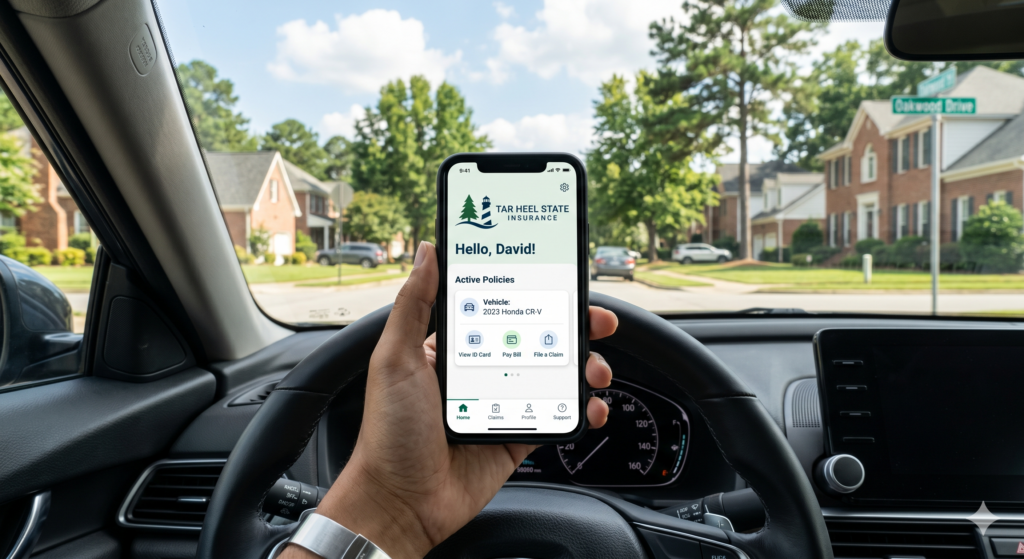
How Telematics is Changing the Game for NC Drivers
For decades, insurance was priced based on “proxies” for risk—things like your age, your zip code, and your credit profile. While those factors still matter, Telematics in 2026 allows insurers to focus less on who you are and more on how you actually drive.
The Shift Toward Behavioral Pricing
In a tightening market, predictability is everything for an insurance carrier. Instead of charging you based on what other people in your demographic are doing, telematics uses real-time data to create a personalized risk profile. This is especially helpful in North Carolina, where many carriers are still adjusting pricing to reflect the rising costs of modern vehicle repairs, which can now easily exceed $5,000 for even low-speed collisions.
What the Apps are Actually Watching
Most modern telematics programs run through a simple smartphone app. They generally track four main categories:
- Braking and Acceleration: Are you a “smooth” driver, or do you have a habit of slamming on the brakes?
- Time of Day: Are you on the road during high-risk hours (like 2:00 AM) or stuck in heavy rush-hour traffic?
- Phone Distraction: This is a big one for 2026. Programs can now detect if the phone is being handled while the vehicle is in motion.
- Total Mileage: Drivers with shorter commutes or those who work remotely often see the biggest benefits.
Why “Predictability” Saves You Money
Insurers love safe drivers because they are “predictable”. When you provide data that proves you aren’t a high-risk driver, the insurance company can offer more aggressive discounts because they aren’t guessing about your habits anymore.
The Pros and Cons: Is It Right for Your Family?
Deciding to use Telematics in 2026 is a personal choice, and it’s important to weigh the potential savings against your comfort with data sharing.
The Financial Upside
The most obvious benefit is the discount. Many carriers offer an “introductory” discount just for signing up—often ranging from 5% to 10%. After a “monitoring period” (usually 90 days), that discount can grow significantly if your data proves you are a safe operator. For a multi-policy household in North Carolina already feeling the pinch of rate filings, these savings can offset the broader market increases we’ve seen.
Privacy and the “Big Brother” Factor
The most common concern we hear from neighbors is privacy. It’s a fair point. You are essentially trading your driving data for a lower premium. However, it’s worth noting that most insurance apps do not sell your personal location data to third parties; they use it strictly for underwriting your specific policy. If you’re already using GPS apps for navigation, the “data footprint” is very similar.
The Risk of a “Surcharge”
A question many people ask is: “Can my rates go up if I’m a bad driver?” In the early days of telematics, the answer was usually no—you just wouldn’t get a discount. However, as we head into mid-2026, some carriers are beginning to use telematics data to apply surcharges for high-risk behaviors like excessive speeding or habitual distracted driving. This makes it a “long game” strategy; safe driving today impacts your rates for years to come.
Maximizing Your Savings Beyond the App
While Telematics in 2026 is a powerful tool, it shouldn’t be your only strategy for controlling auto insurance costs. The most successful homeowners treat insurance as a “living part” of their financial plan.
Strategic Bundling
Even with a telematics discount, bundling remains one of the most effective ways to lower your overall insurance bill. Combining your auto with your home or renters insurance provides a “multi-policy” discount that telematics can then stack on top of for even deeper savings.
Reviewing Your Coverage Structure
Sometimes, we have “zombie” coverages on our policies—options we needed five years ago but don’t need today.
- Deductibles: If you have a healthy emergency fund, raising your deductible can lower your premium.
- Usage Changes: If you’ve transitioned to remote work since your last renewal, make sure your “rated mileage” reflects that.
- Paid-off Vehicles: If you’ve finally finished those car payments, you might have different coverage needs than you did when you were financed.
Avoiding the “Comparison Trap”
It’s tempting to switch carriers every year purely on price, but in a tightening market, that can actually hurt you. Carriers are increasingly looking at “loyalty” and “prior claims” when deciding who to offer the best rates to. The goal for 2026 is efficiency and stability, not just chasing the cheapest monthly number.
Take Control of Your 2026 Budget
The reality is that auto insurance isn’t getting cheaper on its own. Rising repair costs, more frequent accidents, and state-level regulatory changes mean that the “set it and forget it” approach is becoming very expensive. Telematics in 2026 represents a shift toward a more transparent, behavior-based system where you aren’t penalized for the mistakes of other drivers in your zip code.
Whether you’re a military family relocating to the area or a long-time resident looking to trim the monthly budget, understanding how these tools work is the first step toward better financial protection. You don’t have to navigate these changes alone—a quick conversation with a local expert can help you decide if a usage-based program fits your lifestyle.
We are here to help!
Ready to see if usage-based insurance can help you save? Whether you want to explore Telematics in 2026, request a custom coverage review, or simply compare bundling options to protect your household budget, our team is here to help. Reach out to us today to start a no-pressure conversation about your auto insurance options.
One of our preferred insurance providers is Travelers Insurance. They are leading the charge on helping clients by providing easy to use Telematics. Intellidrive is an awesome Telematics option for clients that qualify!